Curriculum Design

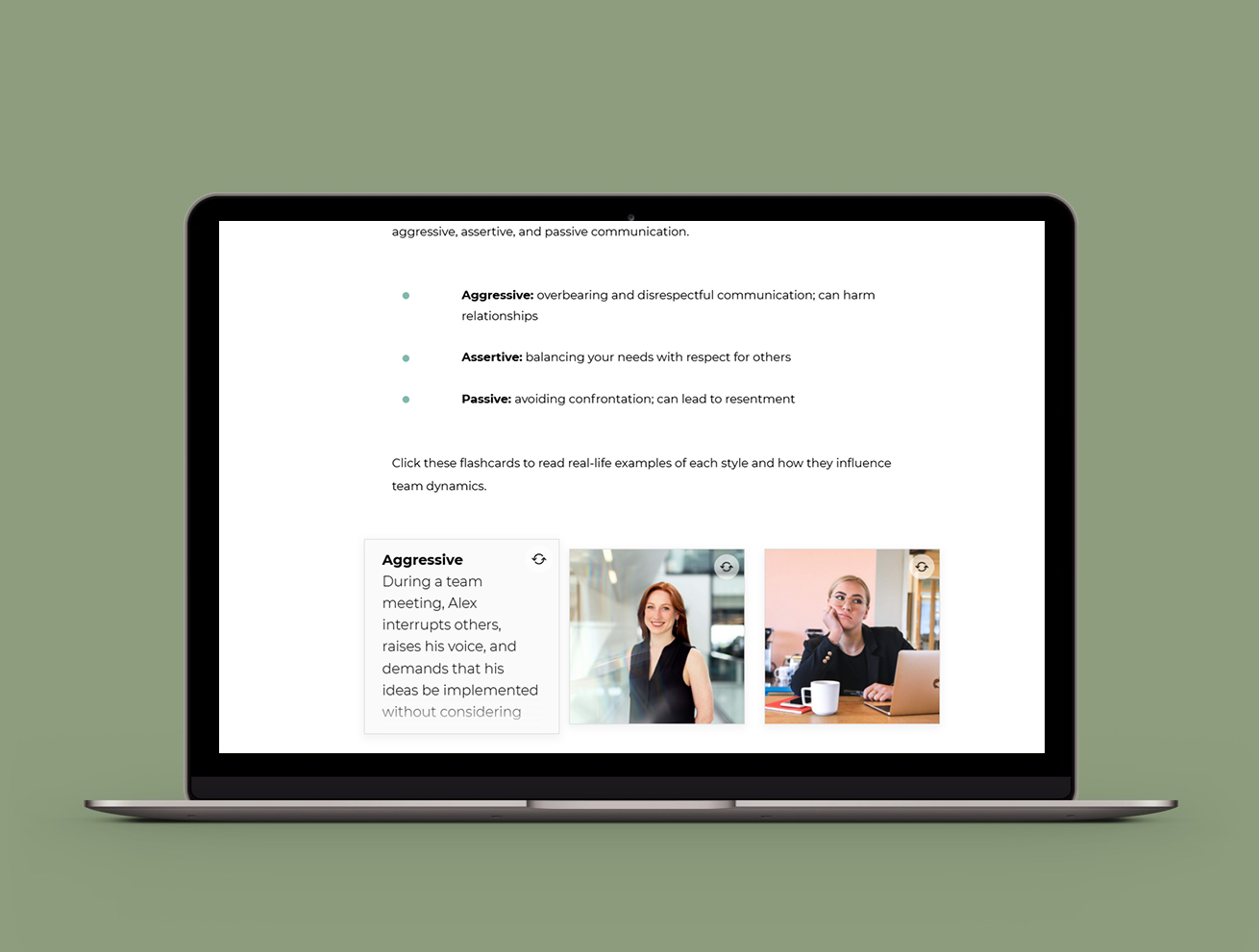
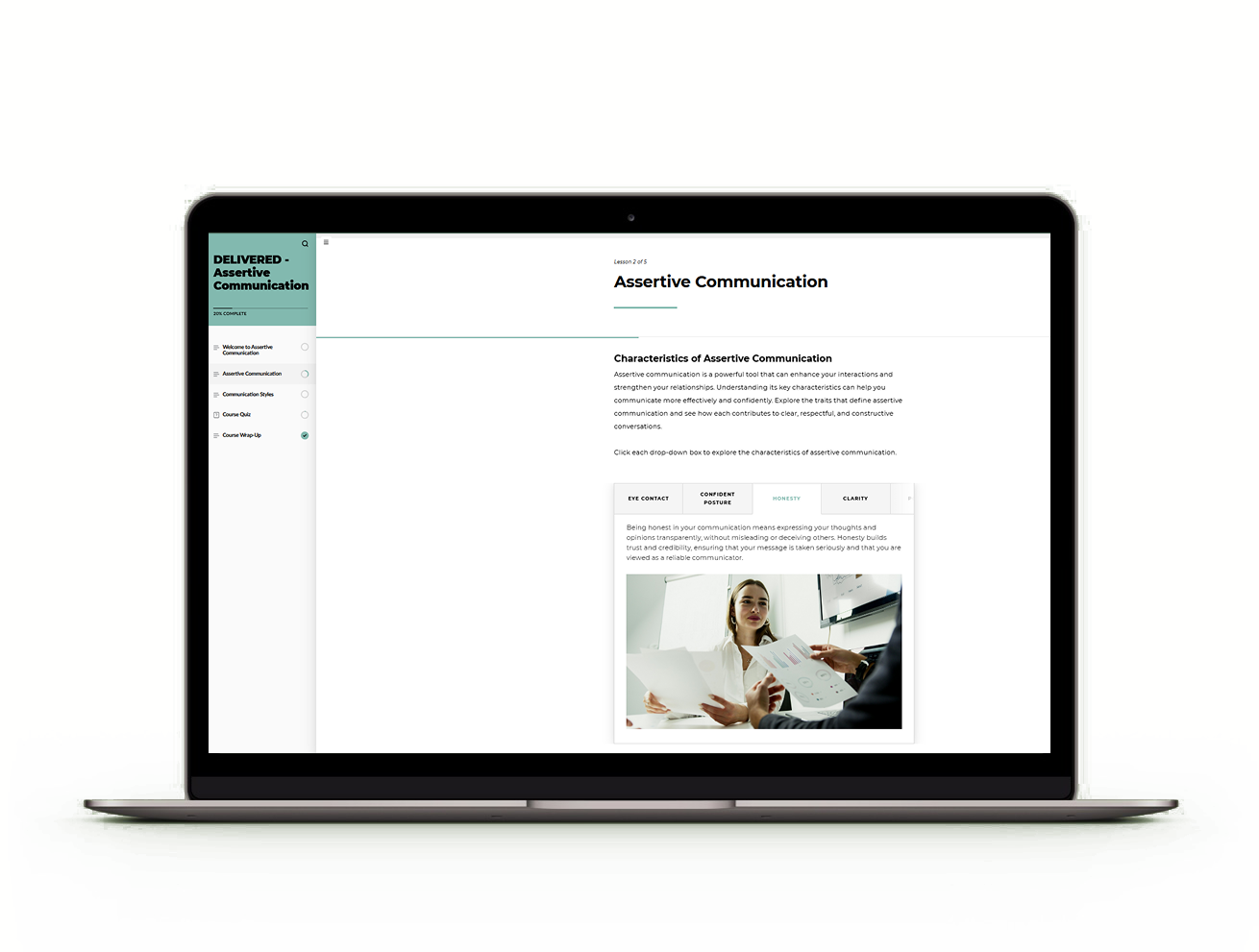
Designed an assertive communication lesson for the American Academy of Professional Coders (AAPC) to help members navigate workplace challenges. As Product Manager and Curriculum Designer, I created interactive, research-backed content that drove a 70% increase in learner engagement and achieved 100% WCAG 2.2 accessibility compliance.
Curriculum Design for AAPC

The American Academy of Professional Coders (AAPC) aims to create lessons for their members. This project focused on designing a structured learning experience that supports students in developing key skills through modular lessons, activities, and assessments. My role involved creating a scalable curriculum architecture that aligns learning objectives, instructional activities, and assessment strategies while supporting different learner needs.

PROJECT OVERVIEW

Role: Curriculum & Learning Experience Designer
Audience: memebers of AAPC
Tools: LMS, curriculum mapping tools, Figma / instructional design frameworks

THE PROBLEM

Many courses rely on fragmented materials and disconnected assignments, making it difficult for students to understand how individual lessons contribute to long-term learning outcomes. The goal of this project was to design a curriculum framework that provides clear learning pathways, structured progression between modules, and meaningful assessments that reinforce core concepts.

LEARNERS & CONTEXT

Outline
The curriculum was designed for students with varying levels of prior knowledge and learning preferences. The course needed to support both structured instruction and independent exploration while maintaining a consistent progression of skills.

KEY INSIGHTS

Insight 1
Students learn more effectively when lessons focus on one concept at a time.
Insight 2
Frequent feedback helps reinforce learning progress.
Insight 3
Clear progression between modules improves retention and motivation.

CURRICULUM ARCHITECTURE

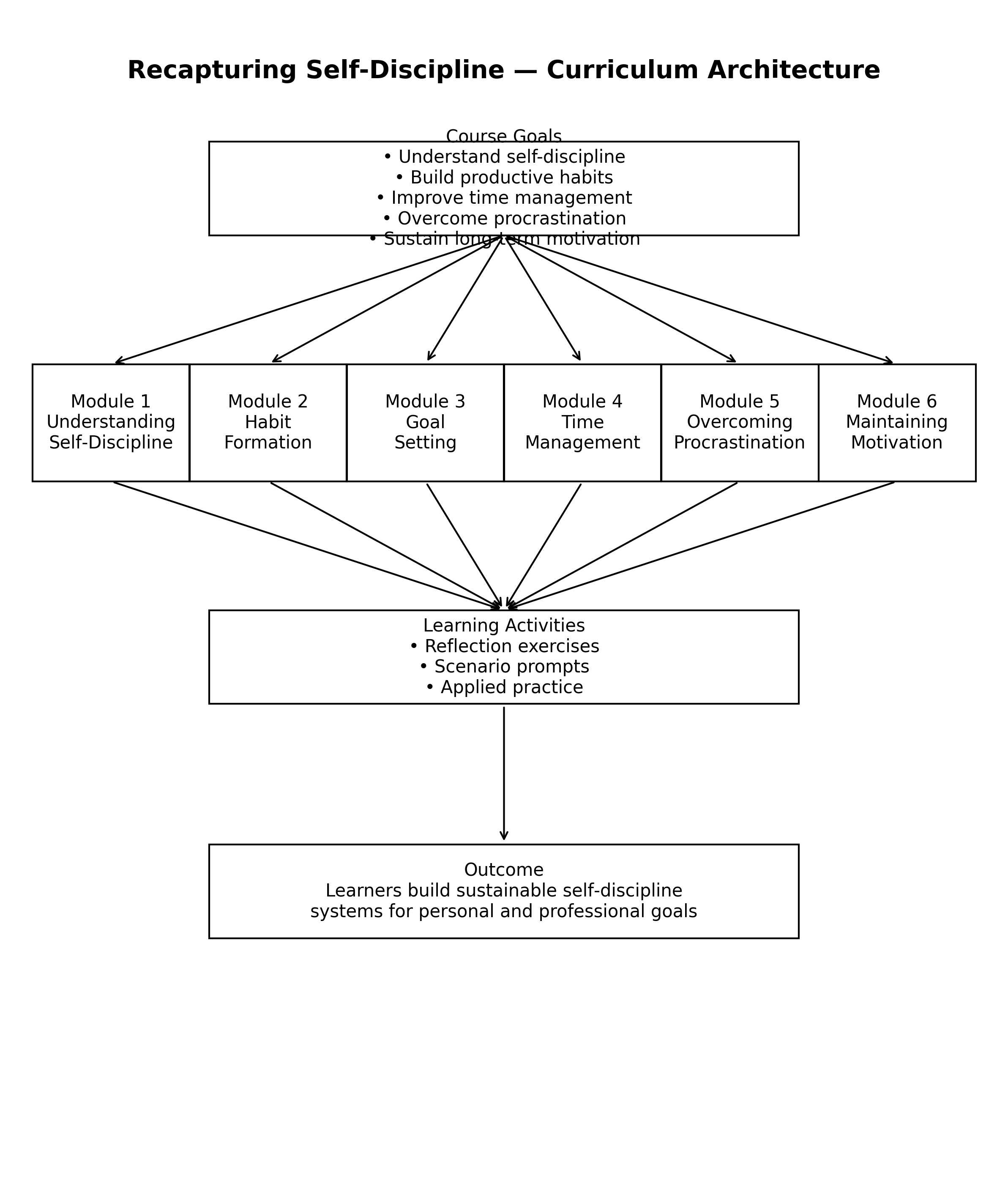
Based on research insights, I developed a modular curriculum architecture that organizes the course into clear learning pathways.
Each module includes:
  • learning objectives
  • instructional content
  • practice activities
  • assessment checkpoints
This structure allows students to progressively build knowledge while receiving continuous feedback.

FINAL LEARNING EXPERIENCE

The final curriculum provides a structured yet flexible learning experience that helps students move from foundational concepts to more advanced applications.
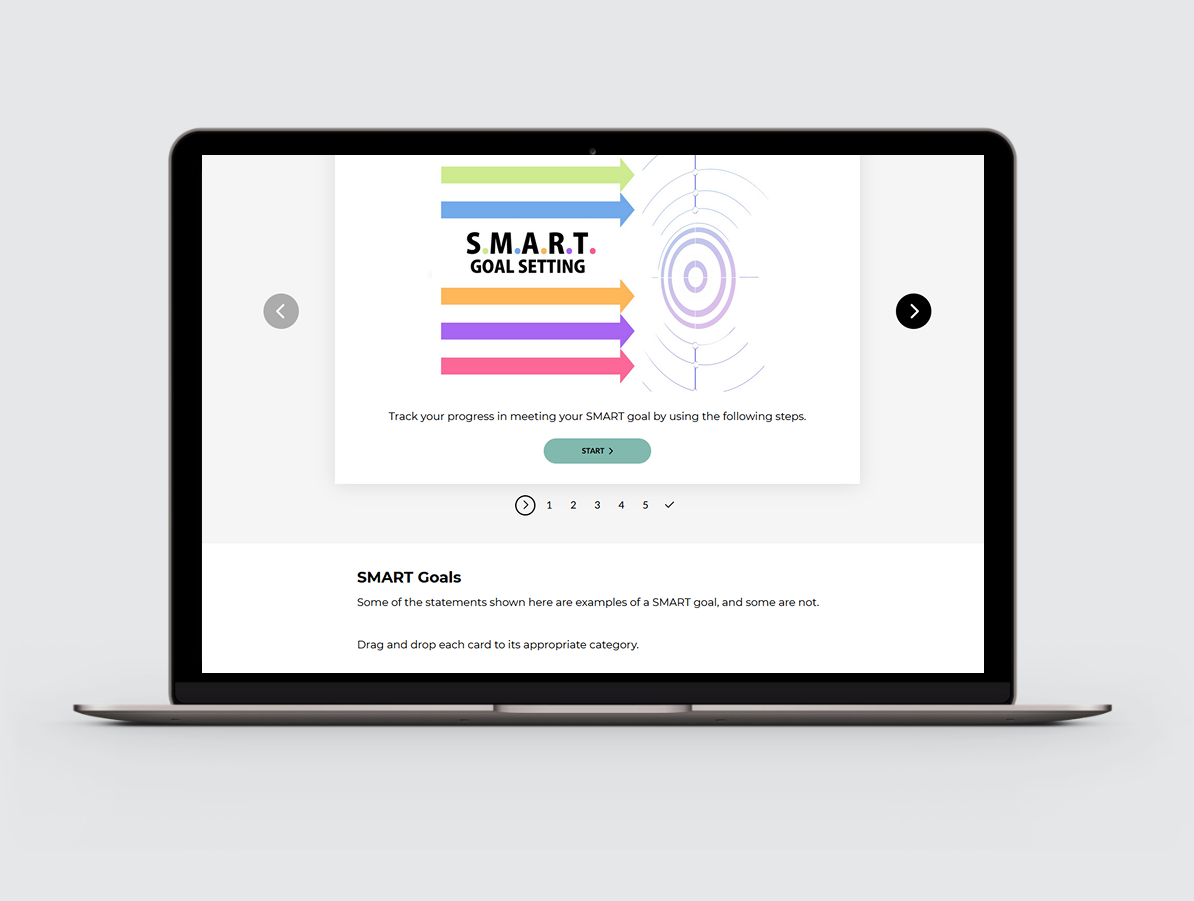
Lessons combine instructional content, applied exercises, and reflection activities to reinforce learning and encourage critical thinking.

IMPACT

The redesigned curriculum improved the clarity of learning objectives and helped students better understand how each lesson contributes to overall course outcomes.
REFLECTION
This project reinforced the importance of designing learning systems rather than isolated lessons.
By aligning objectives, activities, and assessments within a clear curriculum architecture, the course supports deeper learning and more consistent student progress.
Future improvements could include adaptive learning pathways and additional opportunities for collaborative learning.