Curriculum Design
Overview
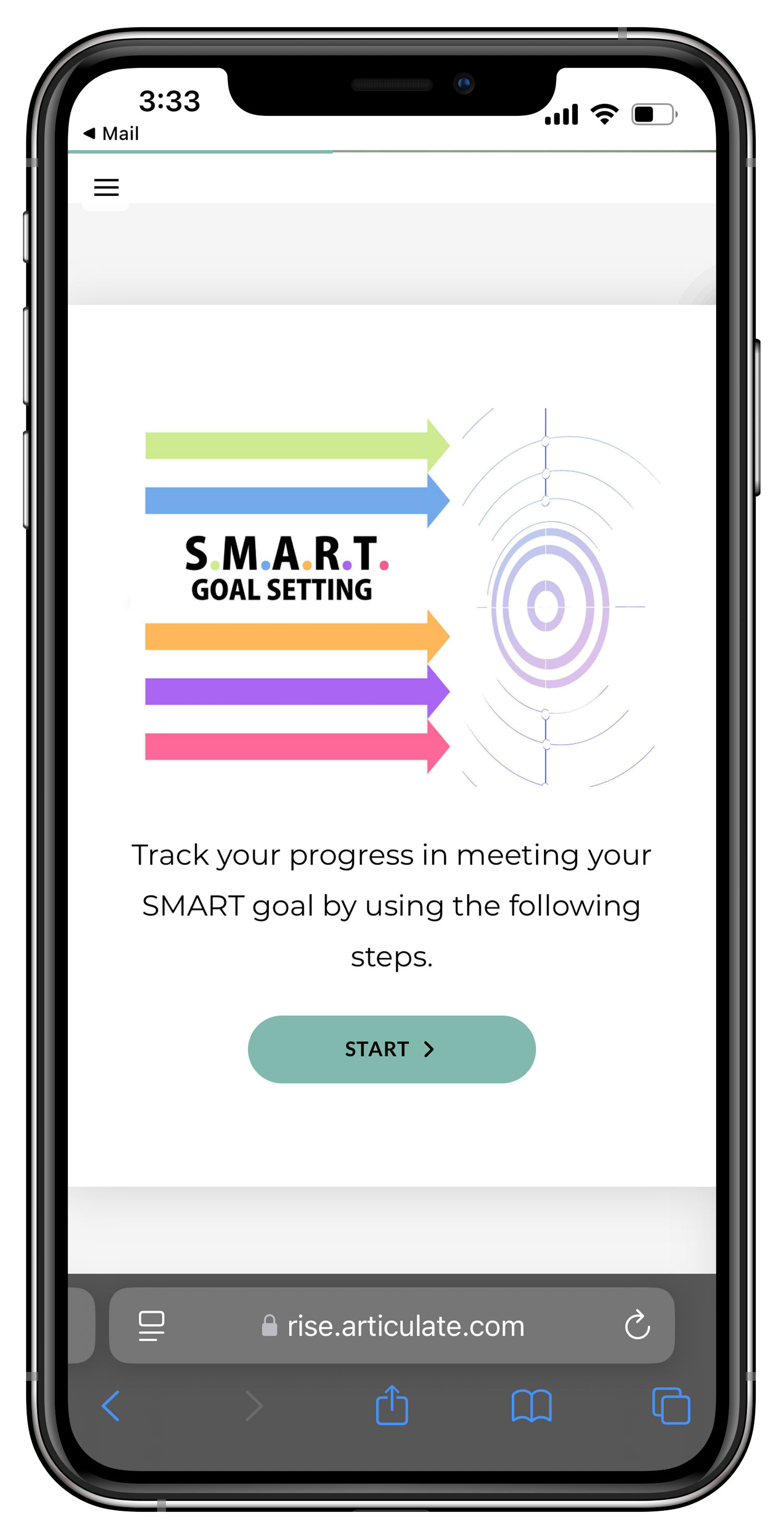
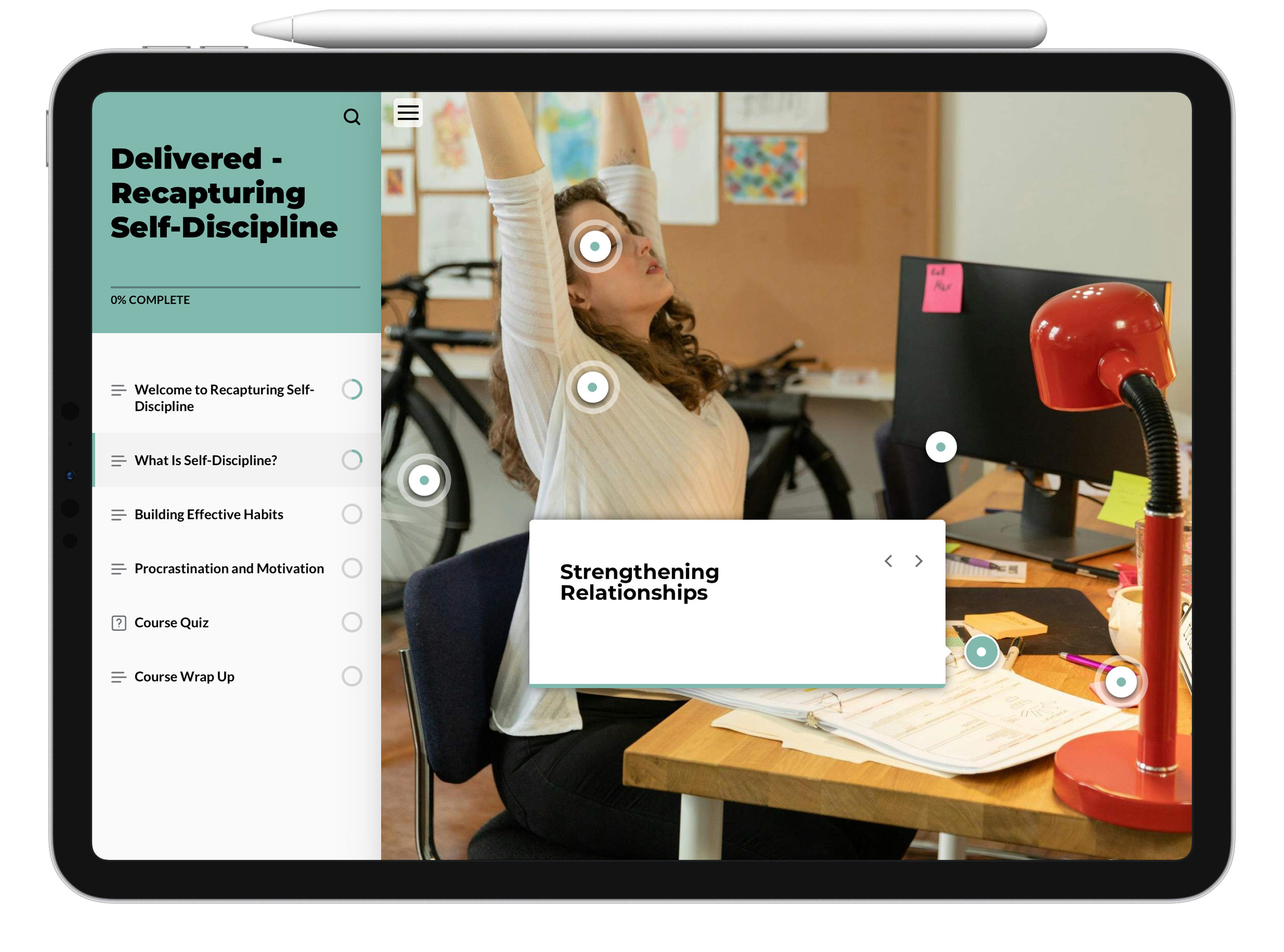
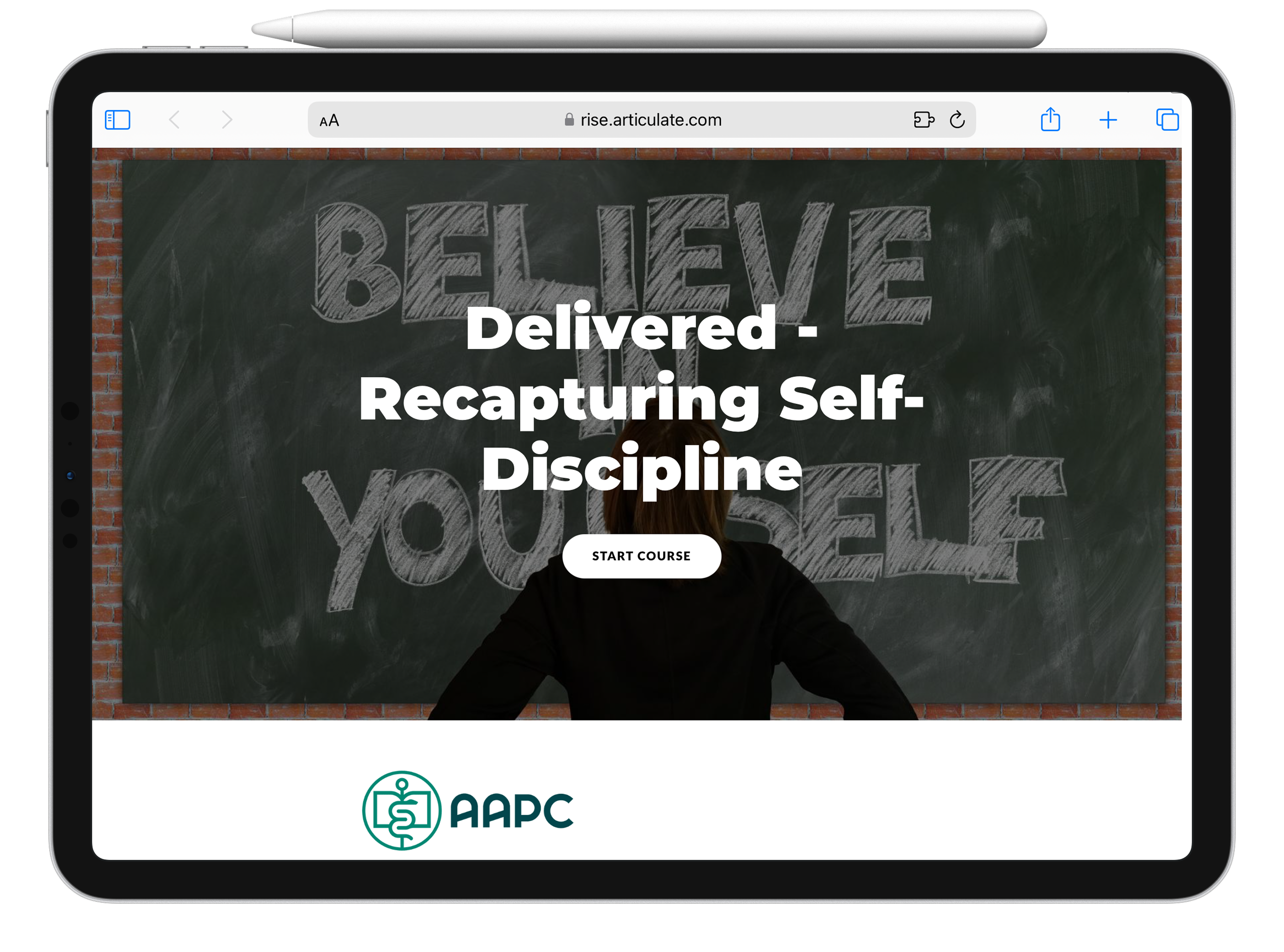
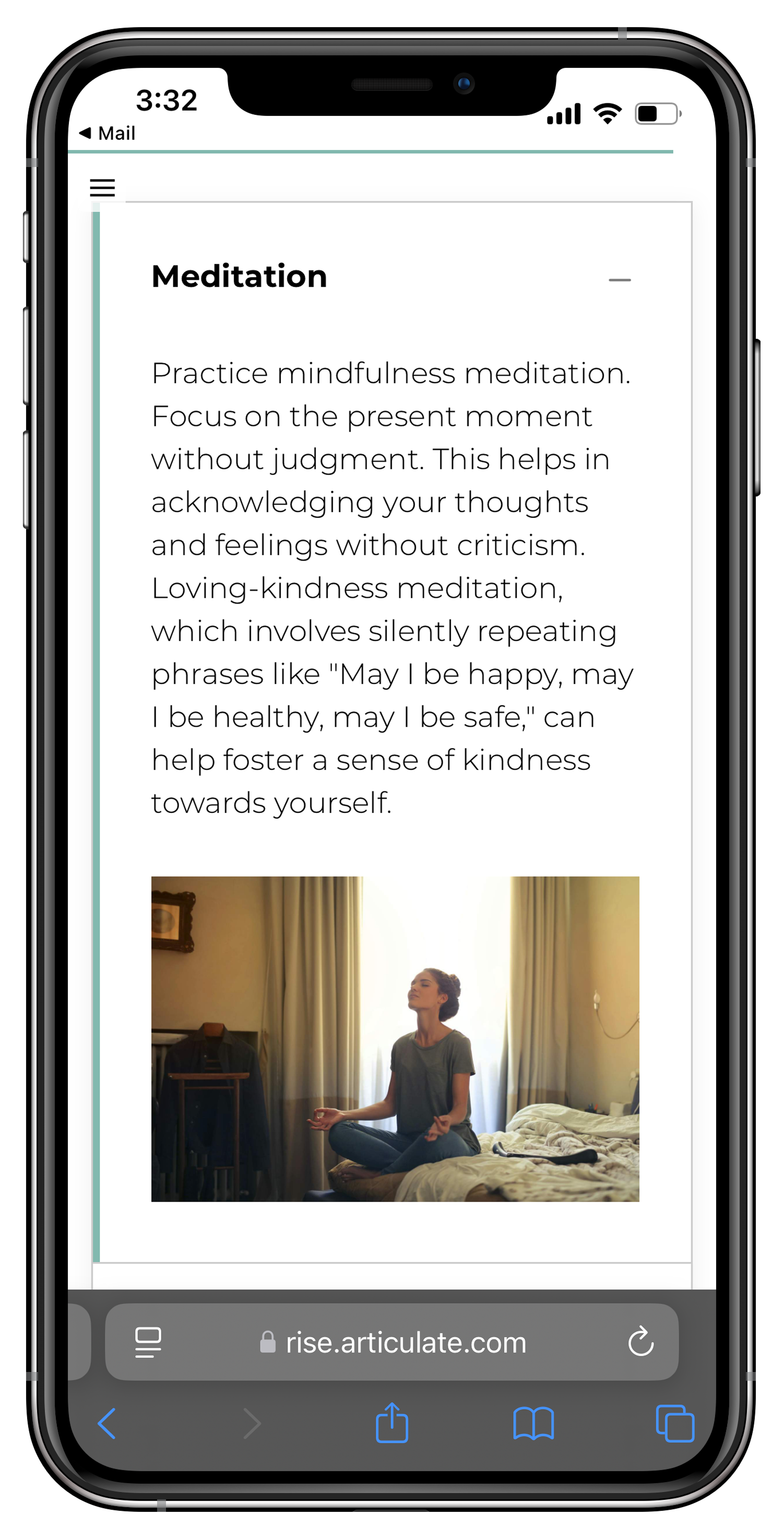
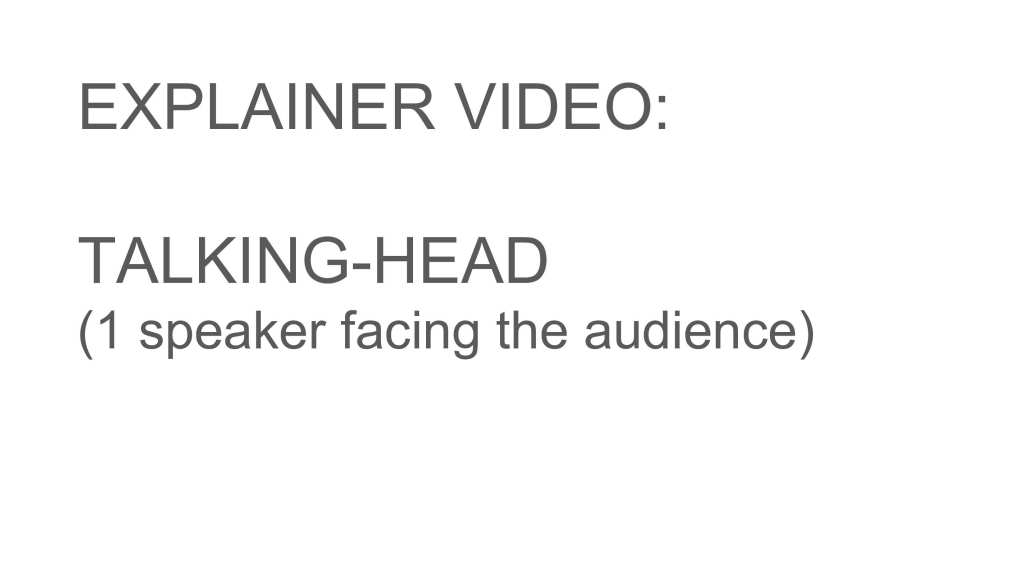
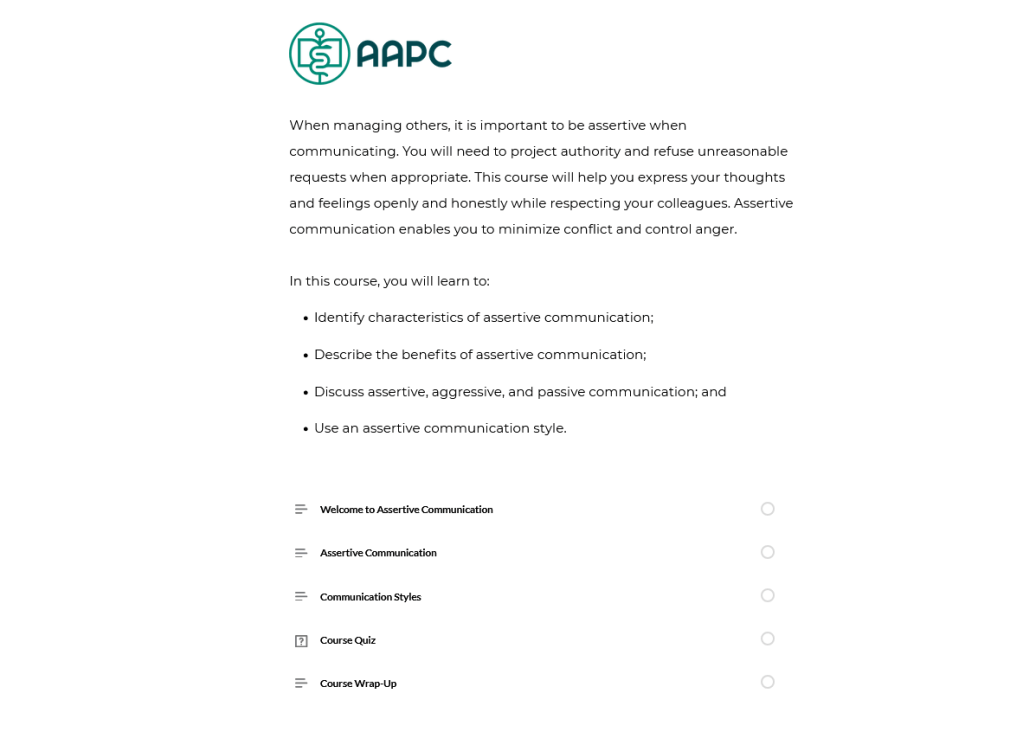
The American Academy of Professional Coders (AAPC) aims to create lessons for their members. These lessons will help them in navigating different workplace environments. How people communicate within the workplace is a pain point that they want to tackle. The solution is a lesson on how to communicate assertively.
My Roles
Product Manager, Curriculum Designer, Subject-Matter-Expert
Project Objectives
- Create lessons that align with the stakeholders goals
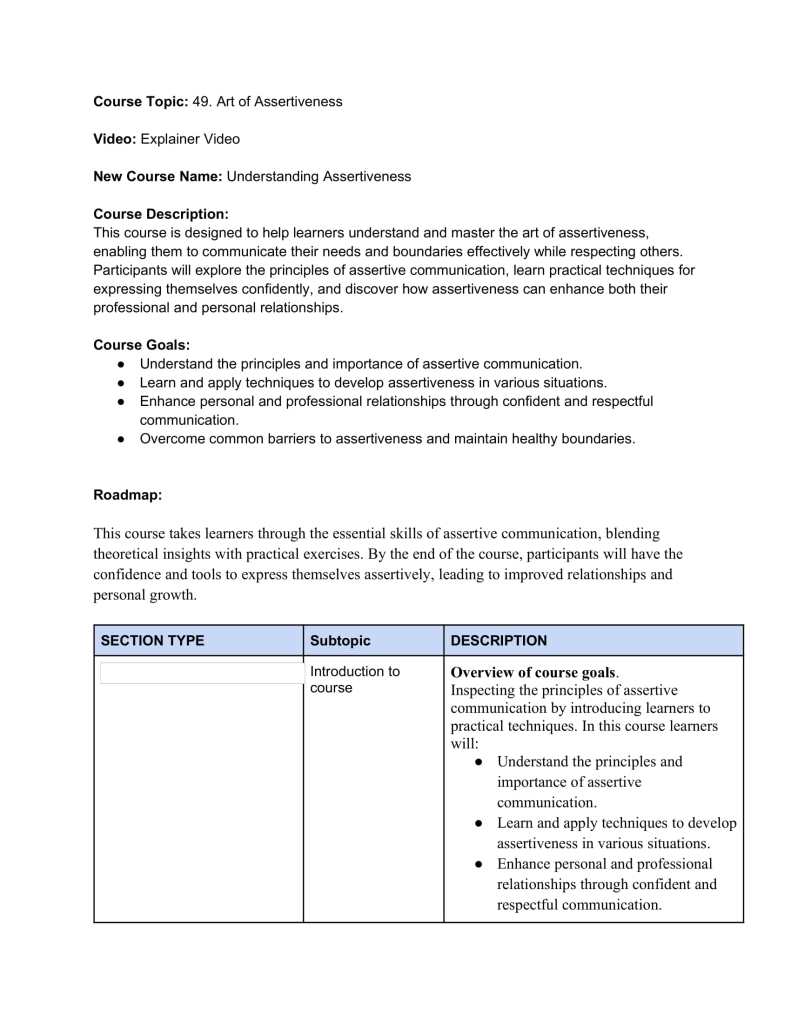
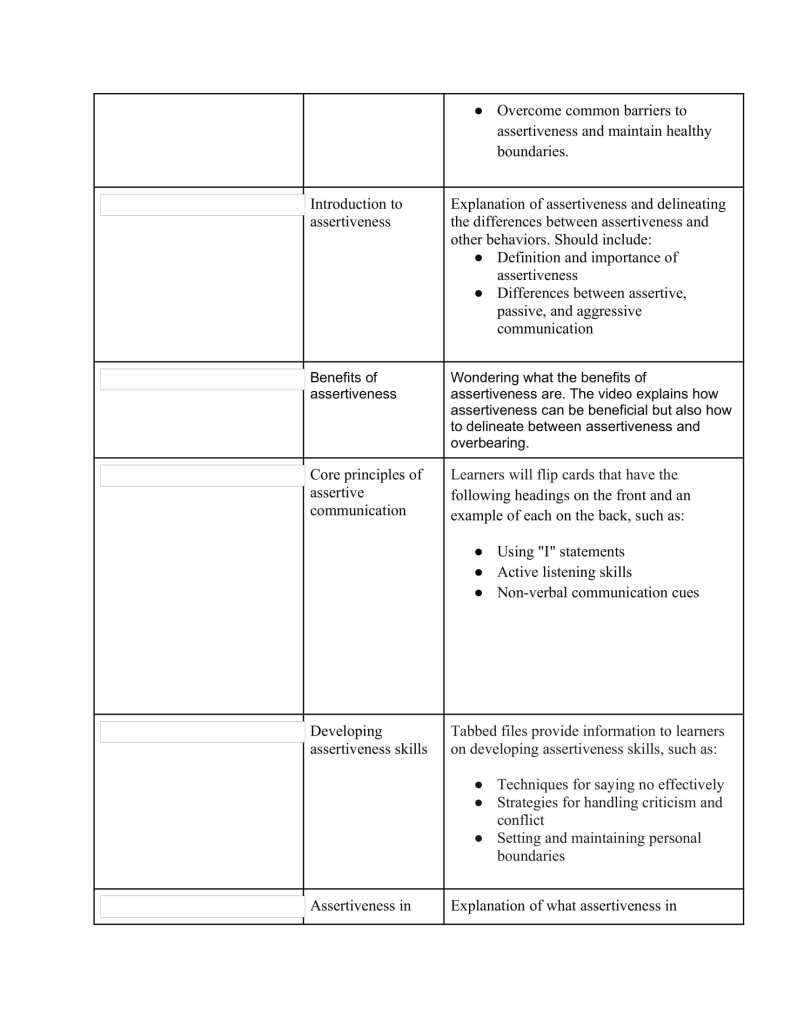
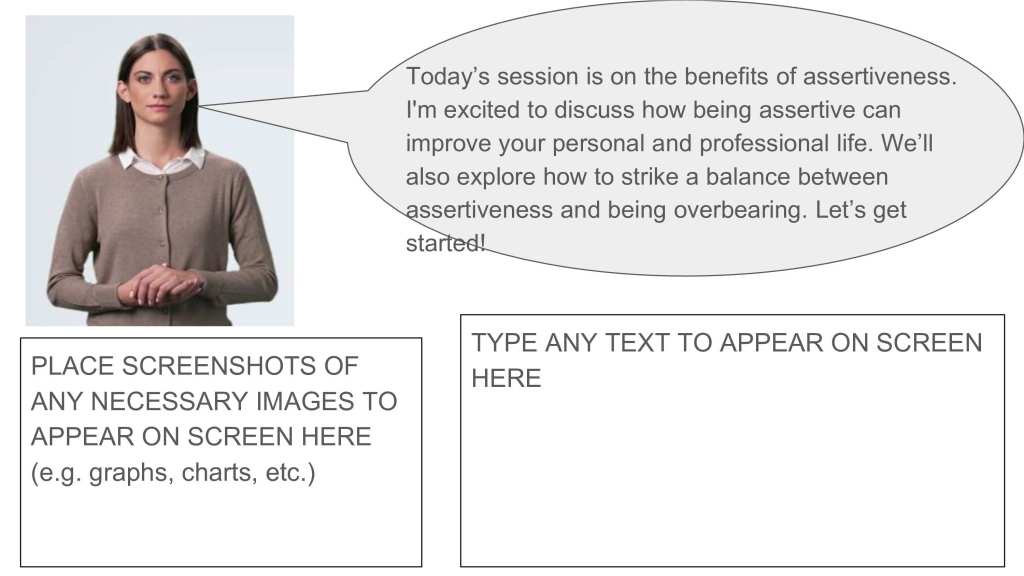
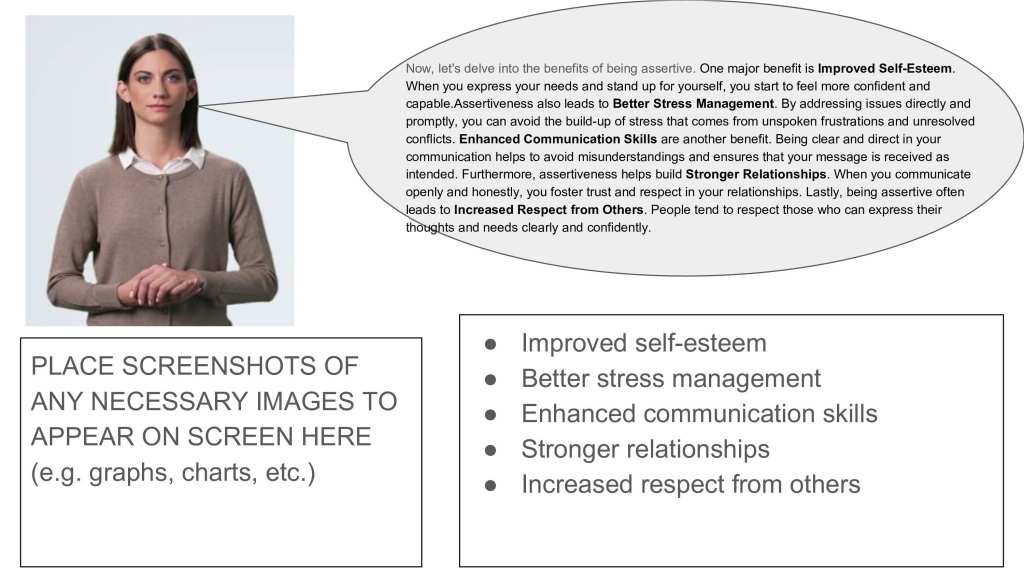
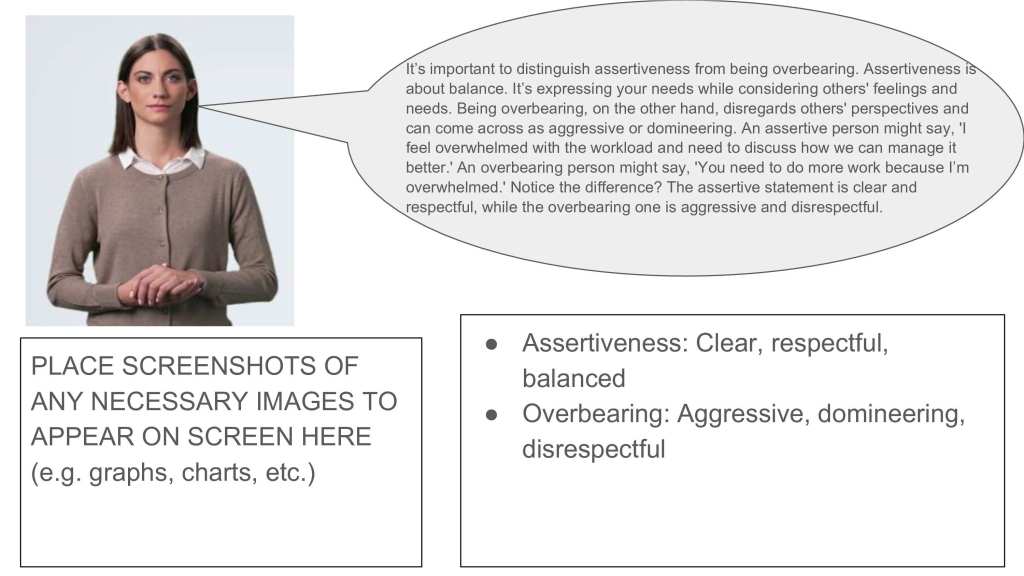
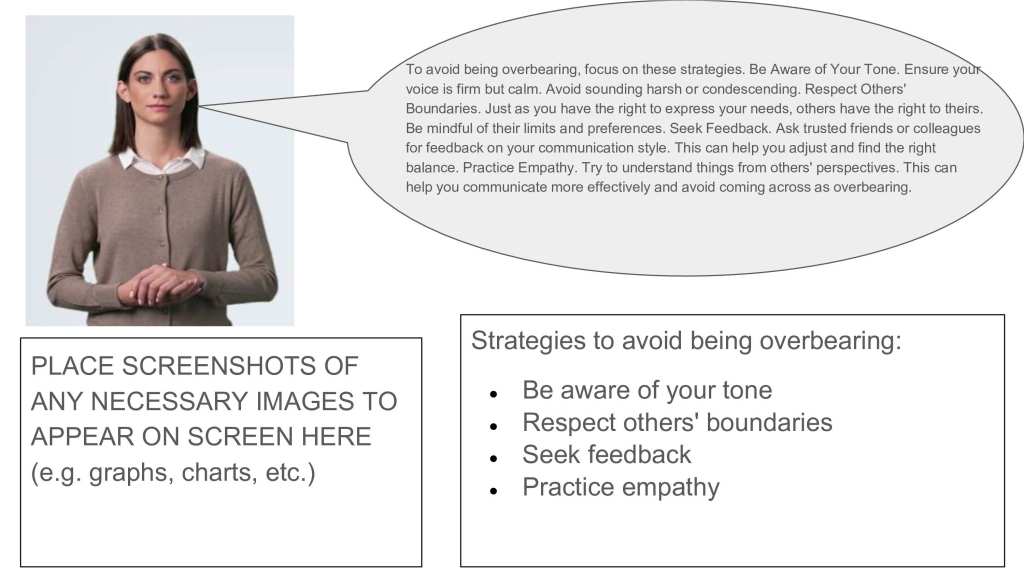
- Educate learners on the principles of assertive communication, including its benefits for workplace interactions and how it differs from passive, aggressive, and passive-aggressive communication styles
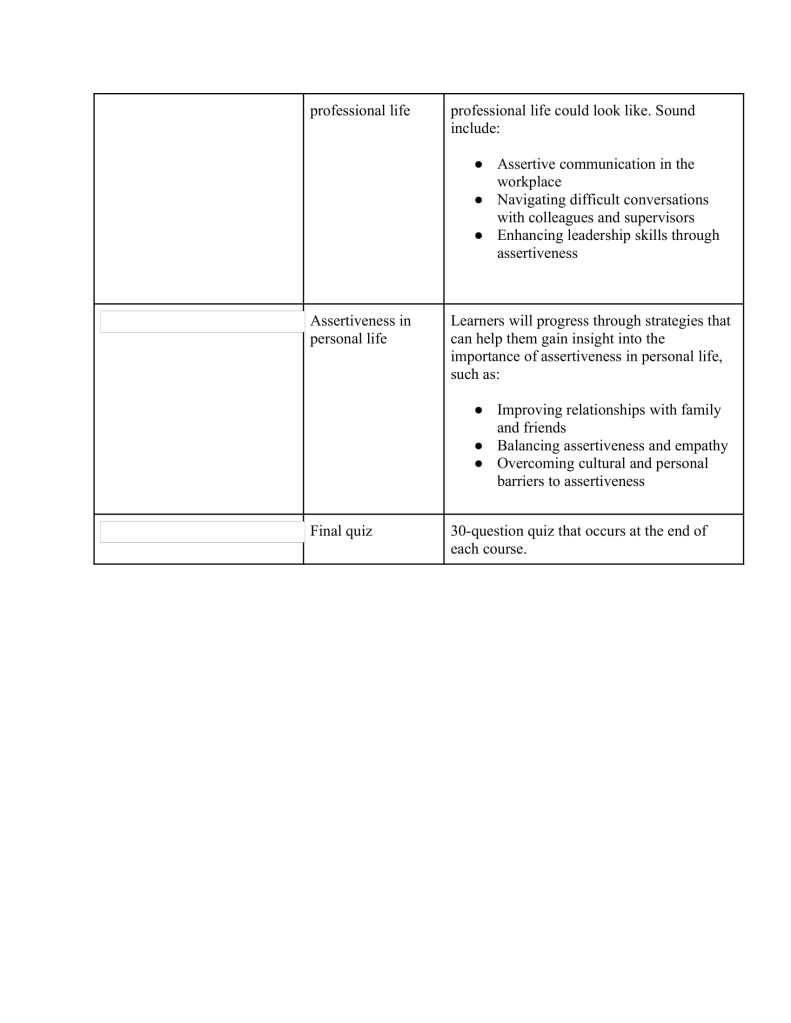
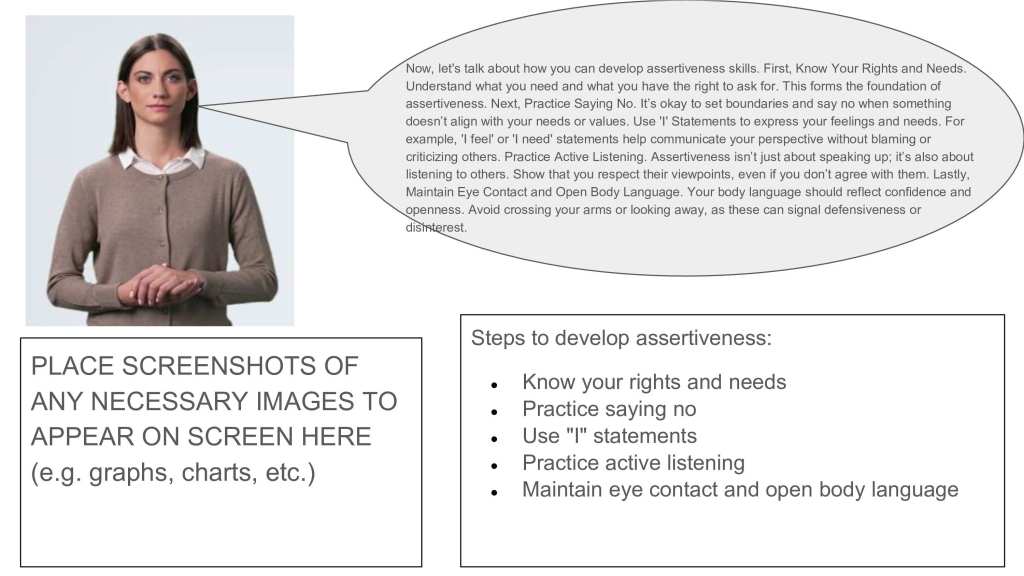
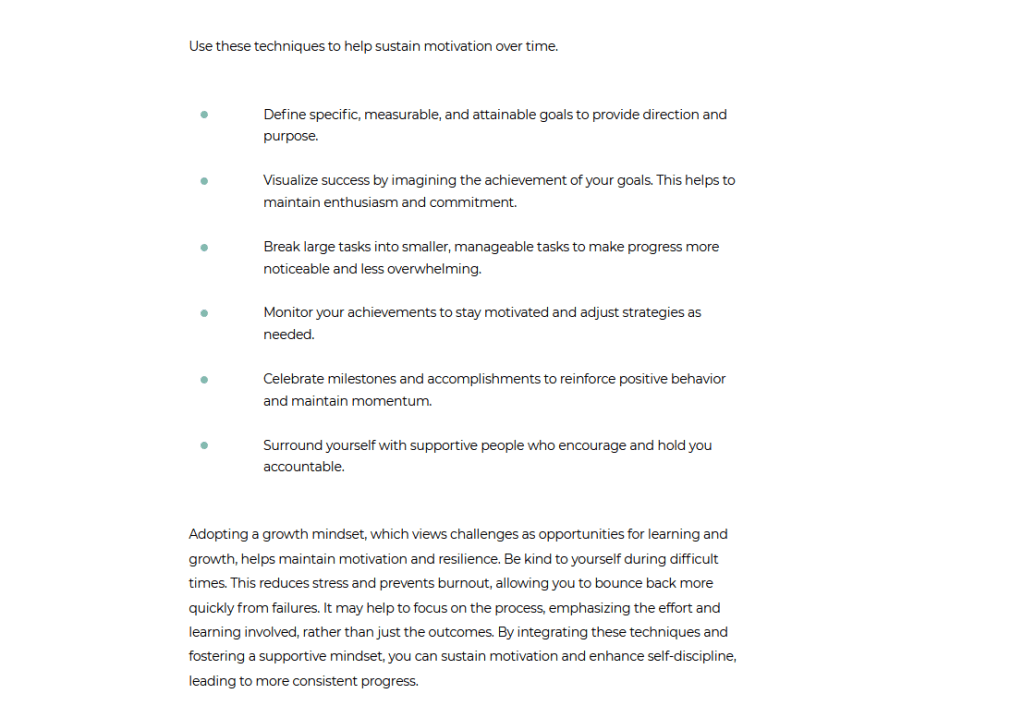
- Equip learners with actionable strategies and techniques for expressing their thoughts, needs, and boundaries effectively while maintaining respect for colleagues and fostering collaboration in diverse workplace environments
- Provide real-world examples and interactive exercises that allow learners to practice assertive communication in common workplace scenarios, such as giving and receiving feedback, managing conflicts, and participating in meetings
Challenges
- Learners may have pre-existing beliefs or misunderstandings about assertive communication, such as equating assertiveness with aggression or believing it is unnecessary in hierarchical settings
- Learners may struggle to apply theoretical knowledge to real-world situations, leading to a gap between learning and practice
- AAPC members may work in varied settings (e.g., hospitals, insurance companies, remote environments), each with unique communication dynamics and cultural norms
Strategy and Design Process
I used a few approaches and methodologies including: Kirkpatrick’s Four Levels of Evaluation, Agile Learning Development, Design Thinking, and ADDIE (Analysis phase).
I facilitated workshops bringing together product managers, educators, and developers to map pain points and define measurable success criteria.
Our approach followed four phases:
- Audit existing learning flows and accessibility gaps.
- Define engagement and usability metrics.
- Design modular templates and components using a unified design system.
- Validate prototypes with educators and students in rapid testing cycles.
Using Figma, Miro, and Trello, I built a shared workspace where cross-functional teams could collaborate in real time, accelerating iteration and alignment.
Key Contributions
- Conducted comprehensive needs analysis to identify communication pain points specific to medical coders across diverse workplace environments
- Collaborated with stakeholders and subject-matter experts to align lesson objectives with organizational goals and industry standards
- Developed content using evidence-based frameworks like Design Thinking and ADDIE to ensure relevance, engagement, and effectiveness
- Created relatable learning materials by incorporating real-world examples and case studies reflective of the varied professional settings of AAPC members
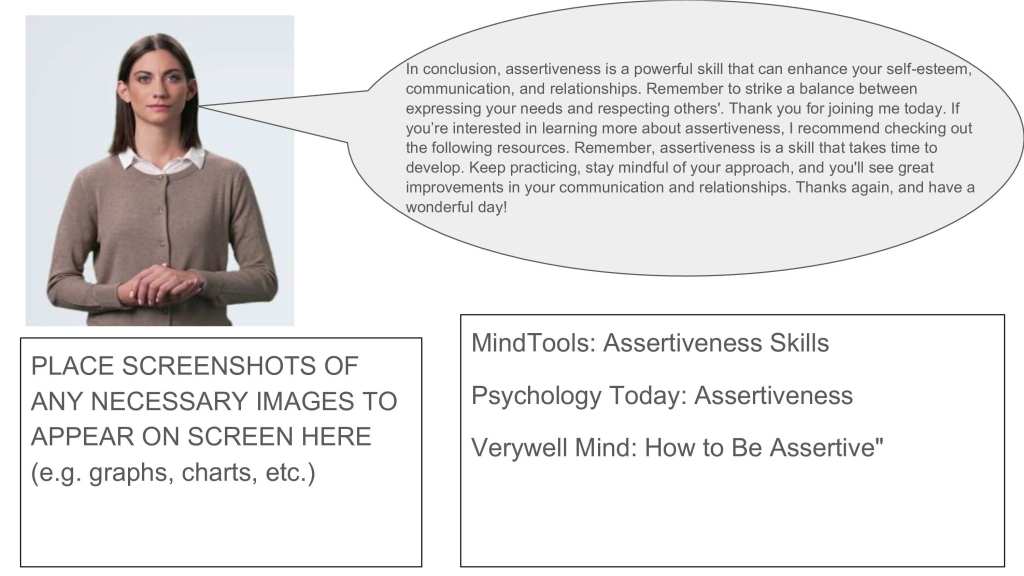
- Introduced role-playing exercises, flip cards, and self-assessment quizzes to foster active learning and skill application
- Established a feedback loop for ongoing updates and improvements to the lesson content based on learner and stakeholder insight

Outcomes and Impact
The redesign produced measurable improvements across key metrics:
Marked increase in stakeholder satisfaction and faster adoption of new templates:
+70 % learner engagement across redesigned courses
100 % WCAG 2.2 accessibility compliance
50 % reduction in IT training and content update inefficiencies
Tools and Technologies
Google Suite and Articulate
 Marlin Han